

Voices of Older Chinese Canadians: Dignity Through an Ethnocultural Lens
As work begins on drafting a UN Convention on the rights of older persons, an important question emerges: how do ethnocultural backgrounds shape dignity in older age, and what is needed to uphold it as a human right?
Dignity belongs to everyone. However, culture, language, migration, and community shape how people experience and express it. Therefore, we must understand these realities. Only then can systems, services, and public policies uphold dignity as a human right for all older persons.
A Community-Led Discovery
To better understand dignity through an ethnocultural lens, Age Knowble partnered with research firm, ponderpickle, and three community organisations – MOSAIC, South Vancouver Neighbourhood House, S.U.C.C.E.S.S.
Together, we engaged 42 Chinese Canadians aged 60 and older through three interactive discovery sessions. Most participants were in their 70s and 80s. Most have lived in Canada for more than two decades.
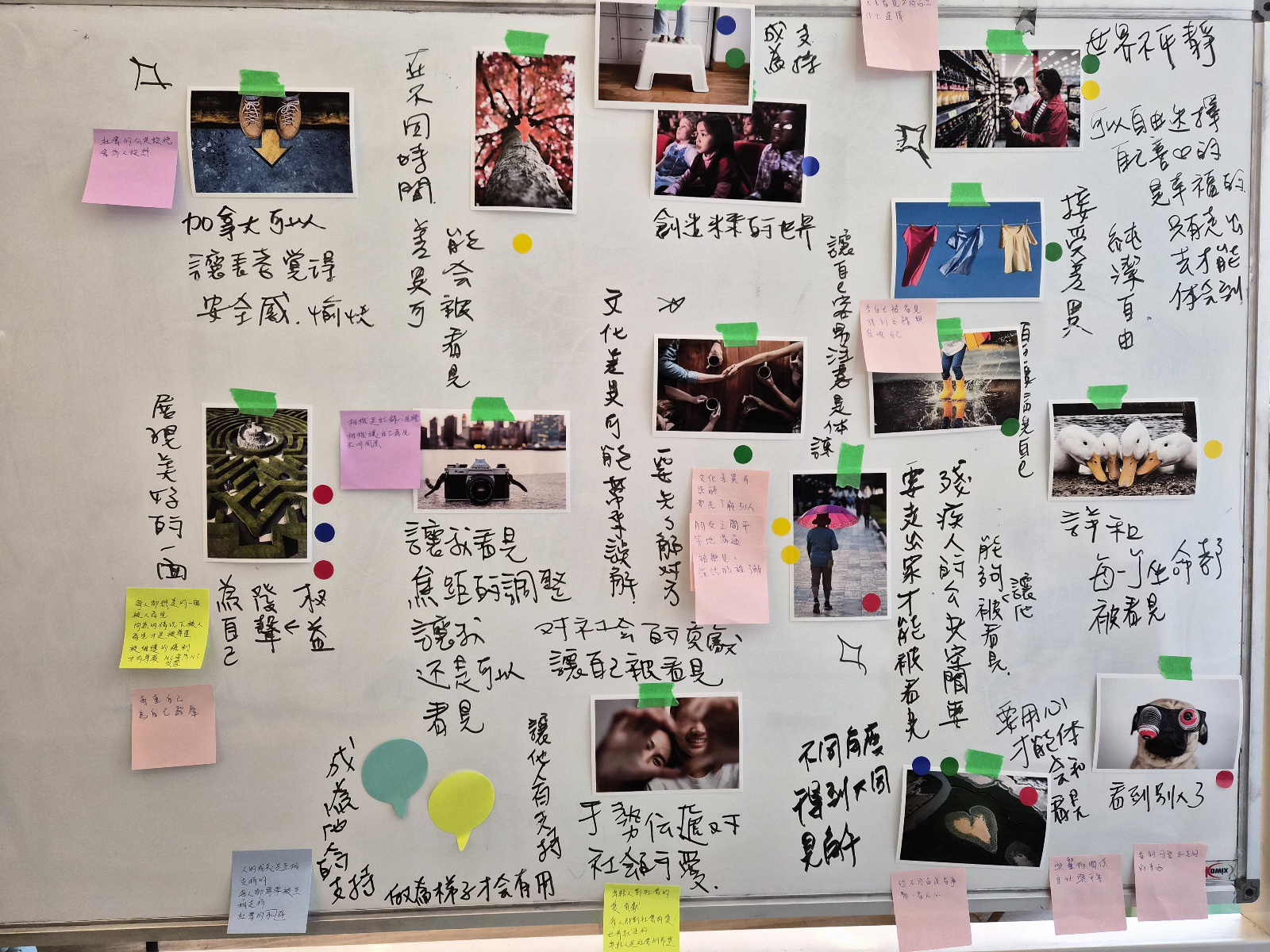
During the sessions, participants reflected on images, shared personal stories, and explored what dignity means in their daily lives. Their contributions shaped the dialogue and guided the insights that emerged.
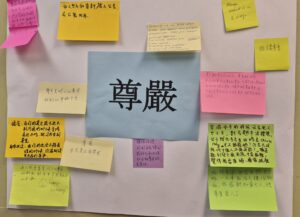
At the end of each session, participants created “Dignity Walls.” On these walls, they expressed—in their own words—what dignity means to them. As a result, these reflections captured both personal experiences and shared values. Most importantly, they affirmed older persons as experts in their own lives and essential contributors to shaping human rights standards.
What Older Chinese Canadians Told Us About Dignity
 Although drawn from a small group, the insights were clear, consistent, and powerful.
The Chinese elders consistently identified respect, freedom, and independence as central to dignity. In particular, they emphasised mutual respect. They want others to see and hear them. Equally important, they want to continue seeing and hearing others. This reciprocity reflects a deep commitment to connection, belonging, and continued participation in society.
They also described how physical and cognitive changes can affect their ability to maintain dignity, especially when systems and environments do not adapt to their evolving needs. They also spoke about how language barriers, racism, ageism, and negative immigrant experiences can undermine their sense of dignity and inclusion.
At the same time, the Chinese elders described dignity as both individual and collective. Family, community, and intergenerational relationships play essential roles. Together, these relationships sustain dignity and reinforce a sense of purpose, belonging, and contribution.
One participant affirmed what dignity ultimately represents: “Dignity is a human right.”
What Must Be Realised
These elders spoke clearly about what dignity means—and what is needed for it to be recognised and protected as a human right. More importantly, their voices point to what must change so dignity is experienced in everyday life.
Their insights remind us that dignity does not exist in principle alone. Everyday interactions, institutional practices, and societal attitudes determine whether dignity is realised.
First, organisations and governments must design programs, services, and public policies that reflect diverse cultures, languages, and lived realities. When systems recognise and respond to these realities, they help protect dignity.
Second, participants highlighted the importance of collectivism and mutual care. By strengthening collaboration across communities, sectors, and generations, we can create environments where dignity is sustained.
Third, older persons must play a central role in drafting the UN Convention on the rights of older persons. Their meaningful participation will help ensure the Convention reflects lived realities, earns global legitimacy, and protects dignity in older age across diverse contexts.
Listening as the Foundation for Change
These insights reinforce a fundamental truth: listening to older persons is essential to advancing human rights in older age.
Older persons bring lived experience, cultural knowledge, and social insight. Their voices help define what dignity means and what is needed to protect it. In doing so, they help shape the human rights standards that safeguard dignity, rights, and self-determination in older age. Their meaningful participation in drafting the UN Convention on the rights of older persons is, therefore, not only important—it is their right.
If you are interested in learning more or collaborating, we invite you to connect with us at hello@ageknowble.com.