

Social Development Cannot Succeed Without Older Persons
Recognizing the Older Person in Social Development
Who is the older person in our current narrative of social development?
Someone leaning on the support of others? Someone leading the charge?
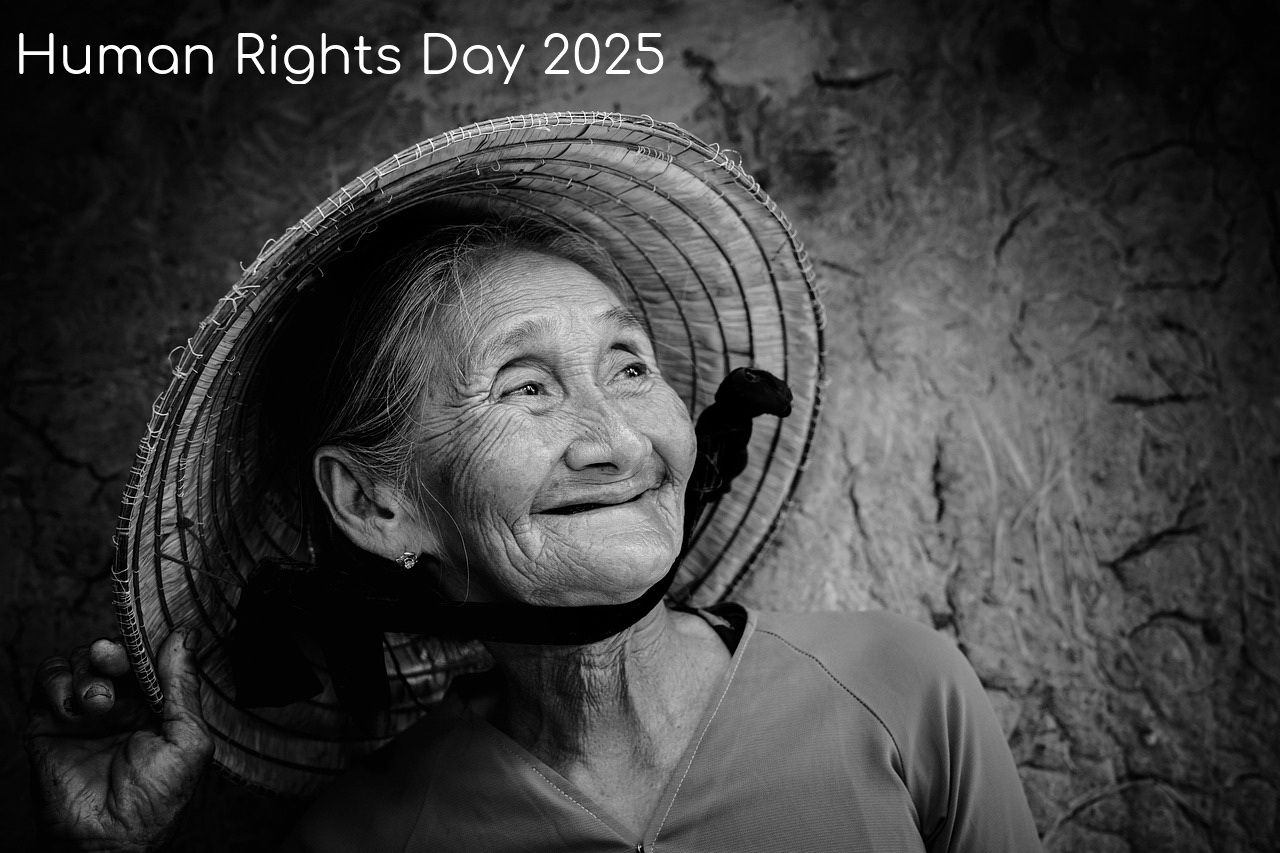
In this photograph, an older woman looks toward the horizon. The lines on her face trace a life shaped by experience, resilience, and care—time passed, challenges faced, wisdom earned. There is a gentle curve to her smile and hope in her eyes: hope not only for herself, but for the generations beside and behind her.
Like all of us, she carries both strength and vulnerability. She contributes what she can, and she leans on others when she must. This shared human rhythm does not change with age—and neither should how older persons are recognized, included, and valued in social development.
Yet social development narratives and policies rarely reflect this reality. Too often, older persons are positioned primarily as recipients of care rather than as rights-holders, contributors, and leaders shaping our shared future.
Why Inclusion Matters for Social Development
At its core, social development is about expanding people’s capabilities, choices, and dignity across the life course. When older persons are excluded from this vision, social development itself is weakened.
Across communities in Asia, Africa, and beyond, older persons are sustaining families, anchoring social cohesion, transferring knowledge, and responding to crises—from climate shocks to care gaps. Their lived experience and leadership are not peripheral to development; they are integral to it.
Learning from an Intergenerational and Human Rights Approach
This reality was at the heart of a recent Age Knowble–convened event aligned with the Second World Summit for Social Development, focused on Asia and Africa through an intergenerational and human rights lens. The dialogue brought together older and younger leaders, civil society, and community practitioners, reinforcing how rights-based, intergenerational approaches strengthen social development outcomes across regions.
A clear message emerged: when older persons are meaningfully included, development works better.
Community-based health initiatives become more trusted and effective. Climate adaptation strategies benefit from traditional and sustainable practices. Social protection systems are more responsive to lived realities. Intergenerational approaches strengthen solidarity rather than deepen divides.
Conversely, excluding older persons from decision-making undermines the effectiveness, equity, and sustainability of development efforts.
A Human Rights Imperative for All Societies
This is not only a development concern—it is a human rights imperative. The forthcoming UN Convention on the rights of older persons offers a critical opportunity to clarify States’ obligations and elevate older persons’ voices within social development policy and practice, particularly in the context of ageing societies and growing longevity.
From Recognition to Action
If we are serious about inclusive and sustainable development, we must recognize older persons as rights-holders and development actors; invest in intergenerational and community-led solutions; strengthen systems that enable participation across the life course; and ensure that development frameworks reflect the realities of ageing societies and growing longevity.
Social development is not complete unless it includes every generation.
Older persons are not the past of development.
They are part of its present—and essential to its future.
Photo credit: trilemedia at Pixabay